We often take for granted that little piece of engineering strapped to our wrists. But the journey of the wristwatch—from a fragile piece of jewelry for royalty to an indispensable tool for soldiers and a high-tech companion for the modern woman—is nothing short of fascinating.
The Beginning: A “Lady’s Secret”
For centuries, the only way to carry time was in your pocket. In the 1800s, “arm watches” existed, but they were exclusively reserved for women. Men considered them feminine toys, prone to damage. These early versions were more like ornate bracelets that just happened to tell time—pieces of jewelry designed for the elite who wanted to track their social engagements with grace.
War and the “Trench Watch”
The turning point for the wristwatch happened on the battlefield. During World War I, soldiers realized that fumbling for a pocket watch while holding a rifle was impossible. They began soldering wire lugs to pocket watches and attaching them to leather straps.
This gave birth to the “Trench Watch.” Suddenly, the wristwatch became a symbol of bravery, practicality, and masculinity. After the war, men brought this habit home, and the pocket watch began its slow crawl into history.

The Golden Age of Mechanics
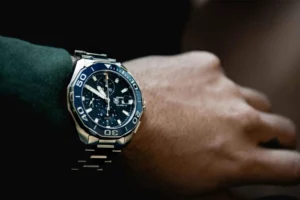
As the mid-20th century approached, the world entered the “Golden Age” of watchmaking. This era gave us the icons we still worship today: the first divers’ watches that could withstand the deep ocean, the chronographs that went to the moon, and the elegant dress watches worn by Hollywood icons. This was a time when the “soul” of the watch was its movement—thousands of tiny, hand-assembled parts working in perfect harmony.
The Quartz Crisis and the Digital Boom
In the 1970s, everything changed. The invention of the quartz movement (powered by a battery) made watches incredibly accurate and, more importantly, affordable for everyone. While this nearly bankrupted traditional Swiss watchmakers, it paved the way for the retro-cool digital watches and the fun, colorful designs of the 80s and 90s that many of us still love today.
The Modern Era: Tradition Meets Tech
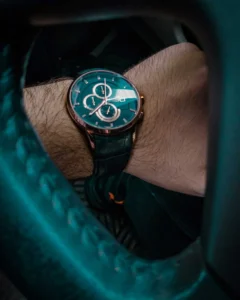
Today, we live in the most diverse era of horology. We have smartwatches that can monitor our heart rates and pay for our coffee, but we also see a massive resurgence in mechanical and vintage watches.
Why? Because in a world that is temporary and digital, a wristwatch is something physical. Whether it’s a high-tech GPS watch for an athlete or a vintage heirloom for a fashion enthusiast, the wristwatch has evolved beyond just “telling time.” It has become a way to preserve our history while moving toward the future.